A drinking water filter, such as a system from Alb Filter, gives you enjoyment on the road without a bad feeling or even the risk of illness.
But what if the filters aren’t needed for a while because you put the camper away over winter, for example? Does a still-intact cartridge have to be thrown away?
No, fortunately not.
In this article you’ll learn how to store the filter cartridges properly so they work again the next time you use them.
Why Cartridges Need to Be “Stored” in the First Place
Bacteria multiply in standing water. If we leave filter cartridges for a long time in an unused system, i.e. in standing water, they can become contaminated with germs.
This happens with every filter cartridge, regardless of the manufacturer, because it is not a quality feature but a law of nature.
So the rule is: if your system sits idle for more than a few days or weeks, the filter cartridges should be removed and stored.
How to Store Alb Filter Cartridges Properly
Water is the basis of life for the bacteria that contaminate drinking water filters. To stop them from multiplying, we dry the cartridges for storage. Here’s how to do it.
1. Remove the cartridge
If you know you won’t be on the road for a while, unscrew the cartridge from the housing.
2. Let it air dry
Both the “Active” and the “Nano” cartridge, which are usually used in campers, can simply be dried without any problem. Let them drain and drip off well. Keep them in an airy, dry place to dry out completely.
In theory you can also dry the cartridges in the oven for 6–8 hours at 50 °C. That speeds up the process and ensures even drying, but needs a lot of energy and is not strictly necessary.
3. Storage
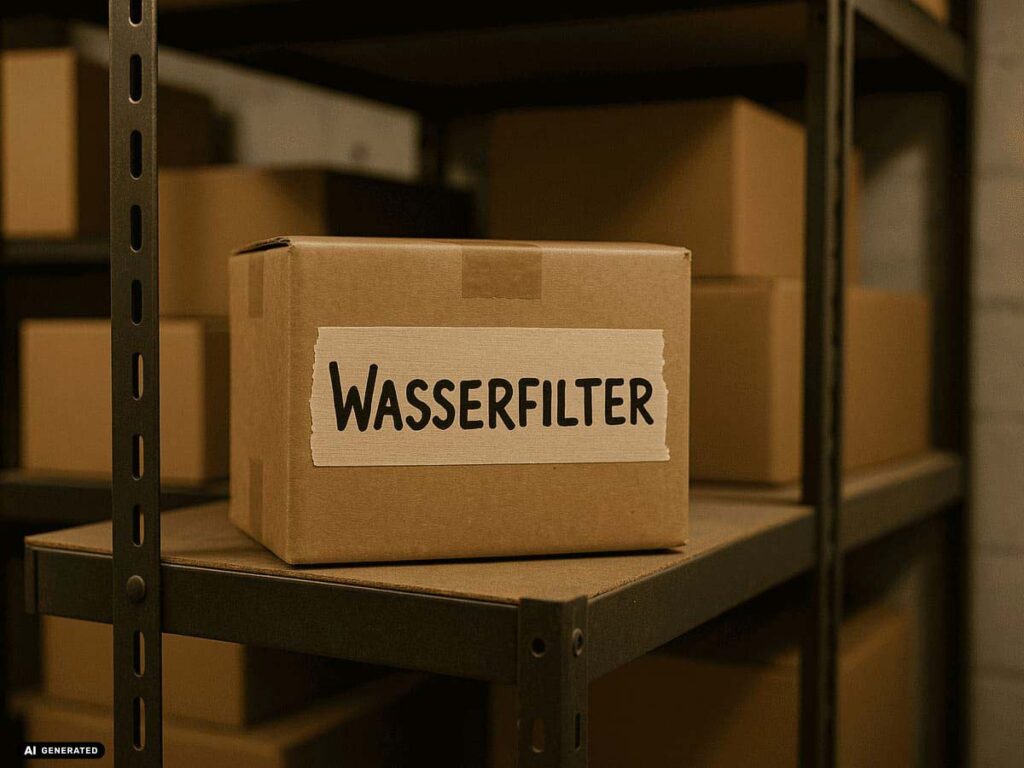
After drying, the cartridges should be kept in a well-ventilated, dry place. Ideally, for example, in a small cardboard box, covered with a layer of paper to protect them from dust.
What you should not do:
- Don’t pack them in a plastic bag, a Tupperware container or the like. Moisture that builds up there without air circulation can wonderfully promote the growth of bacteria.
- Don’t store them in the fridge – there, too, we’re dealing with a lot of moisture.
- And please don’t put them in rice either – that may be a good idea for a wet smartphone, but with a filter cartridge, fine rice dust or the starch from the rice can clog or block the filter pores. It’s obvious that this isn’t good for their later filtering performance.
The organic substances can also lead to mold growth or odors on contact with residual moisture.

Not only proper storage when not in use, but also replacing the cartridges at the end of their service life is important so that your drinking water can be filtered reliably. You’ll find the Active and Nano replacement cartridges from Alb Filter and all other system accessories in our shop.
Putting the Cartridges Back into Operation
Getting the filters ready for use again is also very simple:
- Install the cartridge(s) and, when you open the water system, take a careful look at the tightness of all closures.
- Before you take drinking water: let water run for a moment with the faucet fully open to flush the system. That washes out loose particles or dust and any residual water left in the lines.
- After that you can use everything as usual.
Tip:
In a camper or motorhome the water is often not constantly in motion. After a longer standstill it always makes sense to flush the system briefly, even if the filters weren’t removed – especially in the warm season. At least drain the amount of water that is likely to be between the germ barrier and the water outlet.
Tip 2:
If you really do put your vehicle into storage over winter, your attention shouldn’t only go to the water filters. How to get the water system through the winter hygienically is covered in these two magazine articles:
Conclusion
If your filter cartridges haven’t reached the end of their life yet, their wear can be easily “paused” when you don’t use the camper for a while.
If you remove them after the last trip, dry them properly and store them correctly, you extend the cartridge’s service life and make sure your drinking water can be enjoyed flawlessly and without worries again on your next camper trip.
Did that help you? Then feel free to share the article with other camper enthusiasts:
These topics might also interest you: